A good insulator must perform excellently across four key indicators
What Are the Standards of a Good Insulator?
A good insulator must perform excellently across four key indicators: electrical insulation, mechanical strength, pollution flashover resistance, and long service life. A high-quality insulator can remain in long-term energized operation on transmission lines without its insulation being punctured, without fracturing under sustained loads, and with relatively low maintenance costs.
First: good electrical insulation performance The insulator must have high dielectric strength—it can withstand rated high voltage without flashover or internal breakdown, and its dielectric loss is extremely low. Second: high mechanical strength It must secure the conductor firmly and perfectly withstand extreme load variations under severe weather, such as wind pressure, ice coating, and conductor galloping.
Third: strong pollution flashover resistance In humid, industrial pollution, or coastal salt-spray environments, the insulator surface should not easily accumulate pollution, or it should possess good self-cleaning ability.
Fourth: low aging and low failure rate A good insulator has an extremely low deterioration rate and is unlikely to develop “zero-value” or “low-value” insulators, ensuring stable operation for decades. Preliminary visual inspection of insulators
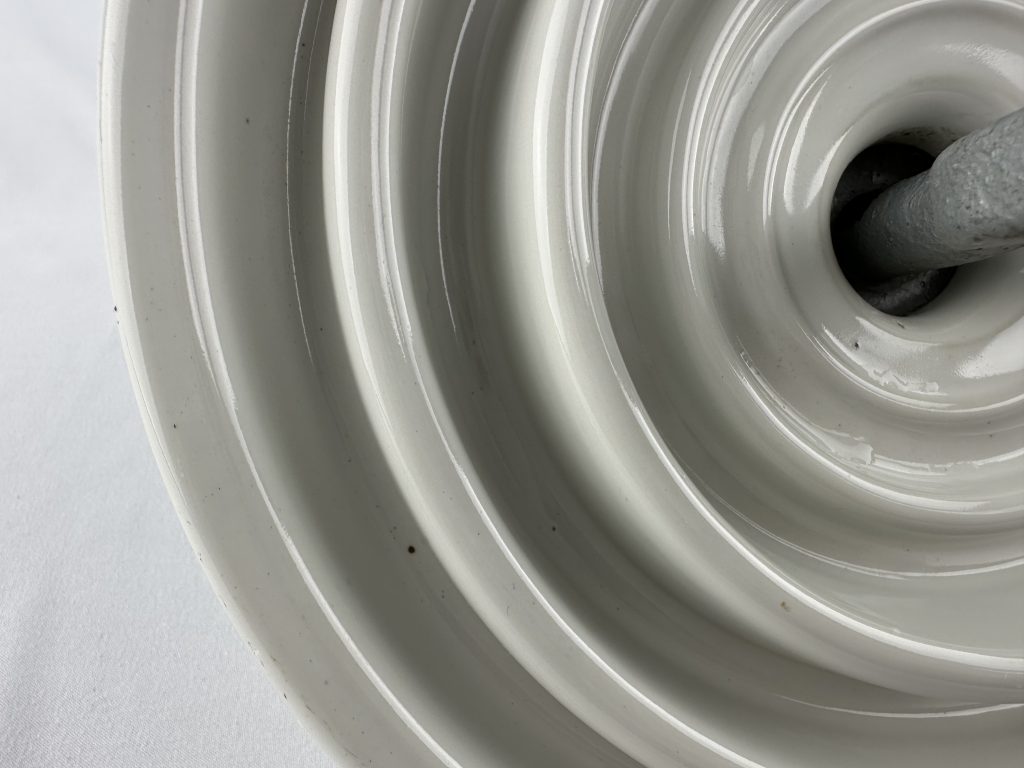
1. Surface finish and overall integrity For porcelain insulators, the glaze layer should be uniform, smooth, and lustrous. For glass insulators, the surface should be transparent and flawless, with uniform color and no localized discoloration. If the surface shows obvious cracks, scratches, bubbles, sand holes, missing glaze, or impurity spots from uneven firing, it indicates a substandard or damaged product, which is highly prone to flashover and breakdown.
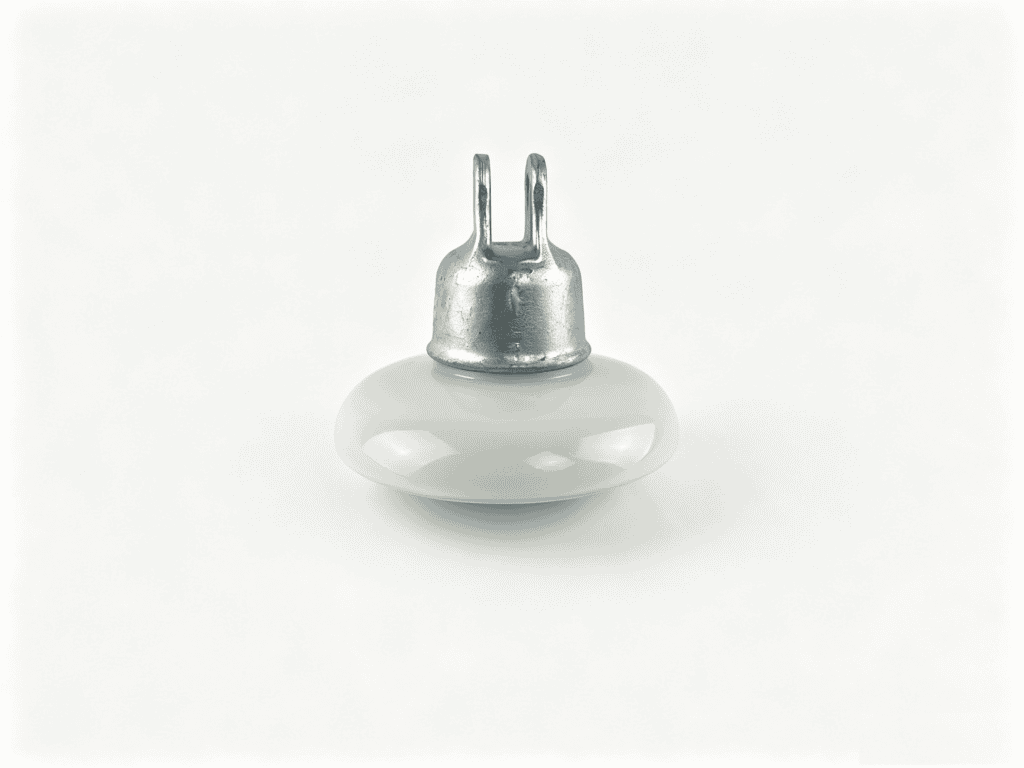
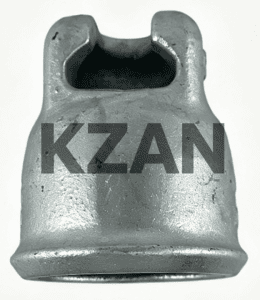
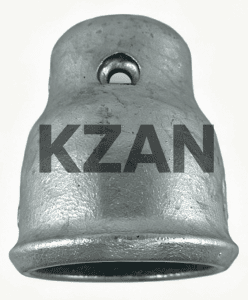
2. Metal fittings The cemented joints between the metal cap, pin, and insulator shed should be tight and symmetrical, ensuring they lie on the same axis. The cement layer should be flat, the cap should have an anti-corrosion coating, the gaps should not be excessive, and there should be no signs of looseness. If the metal parts are obviously skewed or eccentric, the cement is cracked or detached, or the metal surface is severely rusted with galvanized coating peeling off, these are all signs of inferior or aged products.
Quality assurance in production
Product quality must be guaranteed throughout the production process. Passing off inferior products as good ones and recycling/reconditioning used insulators are strictly prohibited. This was exposed by China’s annual “3·15” consumer rights program a few years ago: used insulators were purchased at ultra-low prices, their caps were simply re-sprayed with an anti-corrosion galvanized coating, and then accompanied by falsified test reports before being resold at low prices into the market.
Author: Yoson Liu
On August 17, 2026
1 thought on “What Are the Standards of a Good Insulator?”
PRIVACY & COOKIE POLICYOptional chat, maps and video use third-party services. Accept All enables them; Decline keeps them blocked. You can change your choice in our policy.

111